Upgrading Your 2-Post Lift Motor: 220V vs 110V Performance Comparison
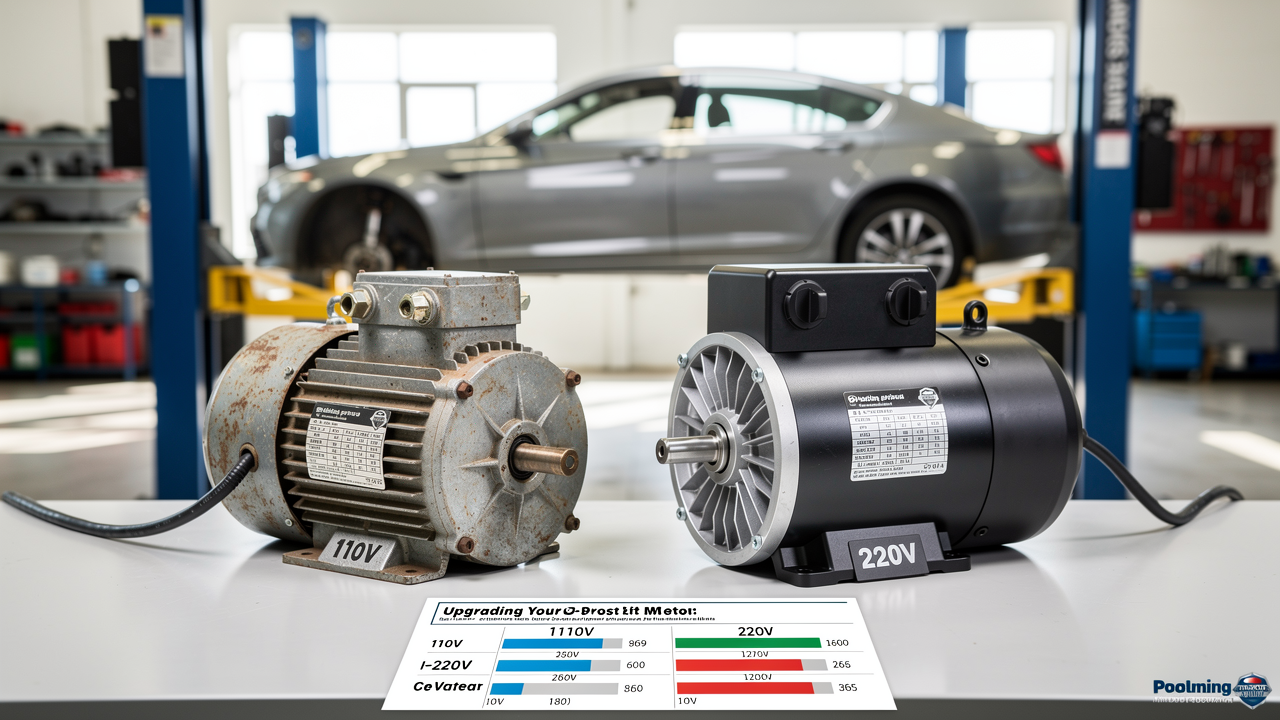
Upgrading from 110V to 220V motors delivers 40-60% faster lift speeds and better performance. A 2-post lift motor upgrade reduces cycle times from 60 seconds to 35-40 seconds per full lift. The 220V single-phase motor upgrade provides more torque while drawing less amperage than 110V systems.
Why 220V Motors Outperform 110V Systems
The voltage difference creates measurable performance gains. 220V motors produce more power with less electrical current draw. This means faster lifting speeds and reduced strain on your electrical system.
110V motors work harder to achieve the same results. They pull more amps and generate more heat during operation. Over time, this extra stress shortens motor life and increases maintenance costs.
220V systems operate more efficiently at lower amperage. A typical 220V lift motor draws 12-15 amps versus 20-25 amps for equivalent 110V motors. This efficiency translates to lower operating costs and cooler running temperatures.
Speed and Performance Improvements with Single-Phase Motor Upgrades
Lift speed improvements are immediate and noticeable. Most shops see 40-50% faster cycle times after upgrading to 220V motors. A lift that previously took 55-60 seconds now completes the same cycle in 35-40 seconds.
The improved performance affects daily productivity. Faster lifts mean more cars serviced per day. Technicians spend less time waiting for lifts to reach working height.
Motor torque increases significantly with 220V systems. Higher torque means consistent lifting speeds even with heavier vehicles. 110V motors often slow down when lifting trucks or SUVs.
Our 220V Single-Phase Motor Upgrade Kit for 2-Post Lifts provides everything needed for the conversion. Priced at $229, this kit includes the motor, wiring harness, and installation hardware.
Electrical Requirements and Installation Considerations
Your shop needs proper 220V electrical service for the upgrade. Most commercial shops already have 220V available. Check with an electrician to verify your electrical capacity before ordering.
The installation requires basic electrical knowledge. You'll need to run new wiring from your electrical panel to the lift location. Most installations take 2-4 hours depending on wire run distance.
Safety switches and circuit breakers need upgrading too. 220V systems require different breaker sizes than 110V installations. Follow local electrical codes for proper installation.
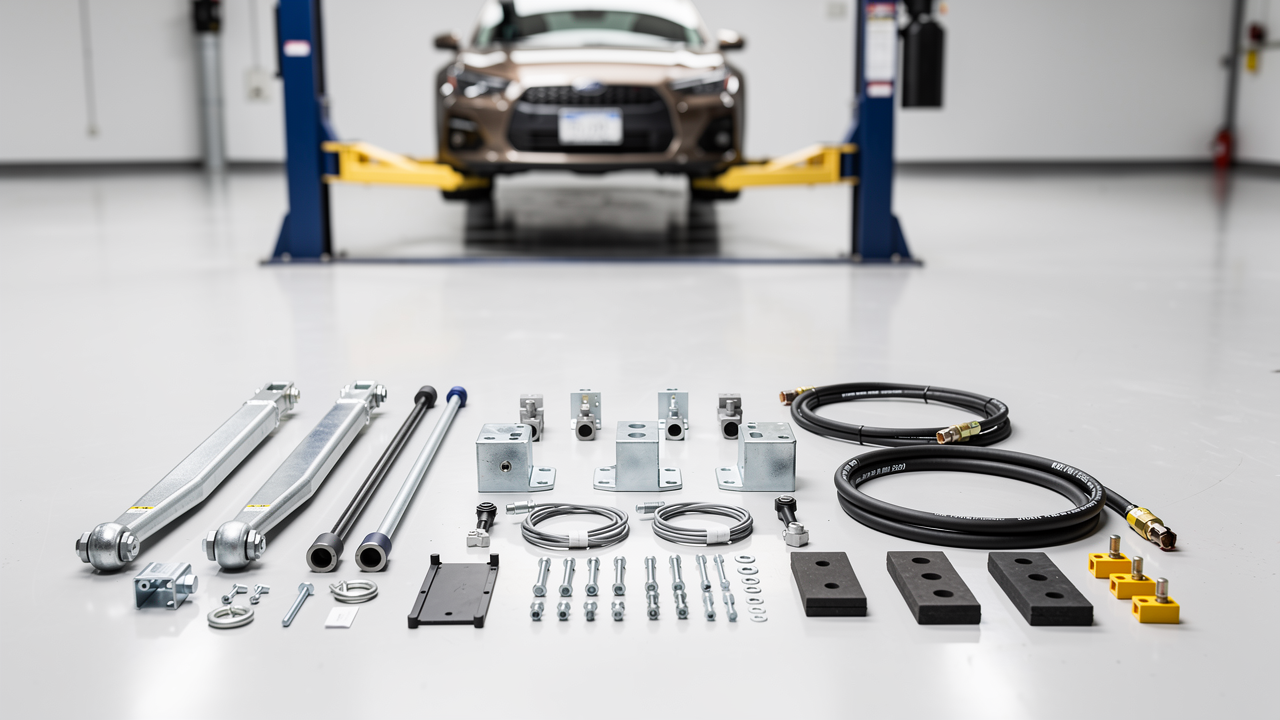
Proper grounding becomes even more critical with 220V systems. Use the 2-Post Car Lift Anchor Bolt Installation Kit ($45) to ensure solid electrical grounding through your lift anchors.
Cost Analysis: Upgrade Investment vs Long-Term Benefits
The upfront motor upgrade cost pays back through improved efficiency. Calculate your daily lift cycles to determine payback period. High-volume shops see returns within 6-12 months.
Energy costs decrease with 220V motors despite higher voltage. Lower amperage draw reduces electrical consumption during operation. Most shops save 15-20% on lift-related electricity costs.
Maintenance intervals extend with 220V systems. These motors run cooler and experience less electrical stress. Expect 20-30% longer service life compared to equivalent 110V motors.
Factor in productivity gains when calculating return on investment. Faster lift cycles mean higher shop throughput and increased revenue potential.
Essential Maintenance After Motor Upgrades
Regular maintenance protects your upgrade investment. Check motor connections monthly for signs of corrosion or looseness. Clean electrical connections prevent voltage drops and overheating.
Monitor motor temperatures during heavy use periods. 220V motors should run noticeably cooler than your previous 110V system. Hot motors indicate potential electrical or mechanical problems.
Inspect lift cables and pulleys more frequently after upgrades. Faster lifting speeds can accelerate wear on mechanical components. Replace worn parts before they fail.
Keep spare parts on hand for quick repairs. Stock extra rubber arm pads since faster cycles mean more vehicle contact. Our Rubber Arm Pad Set for 2-Post Car Lift (Set of 4) costs $35 and prevents vehicle damage during lifting.
Troubleshooting Common Upgrade Issues
Slow lifting speeds after upgrade usually indicate electrical problems. Check wire gauge and connection quality. Undersized wiring limits motor performance despite proper voltage.
Inconsistent lift operation suggests hydraulic system issues. Faster motor speeds can reveal existing hydraulic problems. Bleed air from the system and check fluid levels.
Unusual noises after motor upgrades need immediate attention. New motors should operate quietly. Grinding or squealing sounds indicate alignment or mechanical binding issues.
Circuit breaker tripping points to electrical overload. Verify breaker sizing matches motor requirements. Undersized breakers cause nuisance tripping during normal operation.
For lifted vehicle maintenance, consider our Low-Profile 3-Ton Floor Jack for Lifted Vehicles ($85). This specialized jack works perfectly under cars raised on upgraded lifts.
Frequently Asked Questions
Q: How much faster will my lift operate after upgrading to 220V?A: Most lifts see 40-60% speed improvements. A typical upgrade reduces full-cycle time from 60 seconds to 35-40 seconds.
Q: Can I install a 220V motor upgrade myself?A: Basic electrical knowledge is required. You'll need to run 220V wiring and install proper circuit breakers. Many shops hire electricians for the electrical work.
Q: Will upgrading my motor void my lift warranty?A: Check your lift manufacturer's warranty terms. Most aftermarket motor upgrades don't affect structural warranties but may impact electrical component coverage.
Q: Do 220V motors cost more to operate than 110V systems?A: No. Despite higher voltage, 220V motors draw less amperage and typically reduce operating costs by 15-20% compared to 110V systems.
Explore Our 2-Post Lift Accessories & Parts Collection
Browse our complete selection of upgrade kits, replacement parts, and maintenance accessories. We offer fast shipping nationwide and hassle-free returns on all lift components. Visit our 2-Post Lift Accessories & Parts collection for everything you need to maximize your lift performance.