9000 lb Car Lift vs 6000 lb Car Lift: Which Weight Capacity Do You Need?
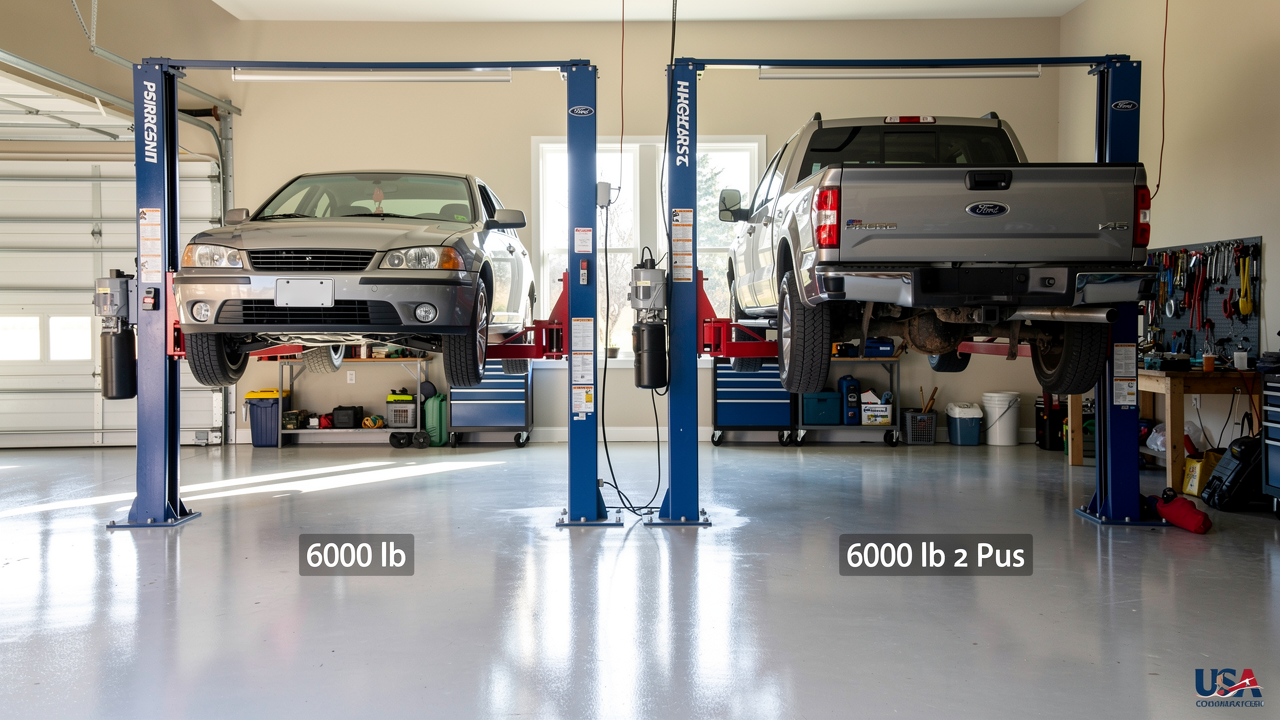
The main difference between a 9000 lb car lift vs 6000 lb comes down to vehicle compatibility. A 9000 lb lift handles trucks, SUVs, and heavy sedans safely. A 6000 lb lift works well for most cars, compact SUVs, and light trucks. Your vehicle's weight determines which capacity you need.
What Vehicles Need a 9000 lb Car Lift?
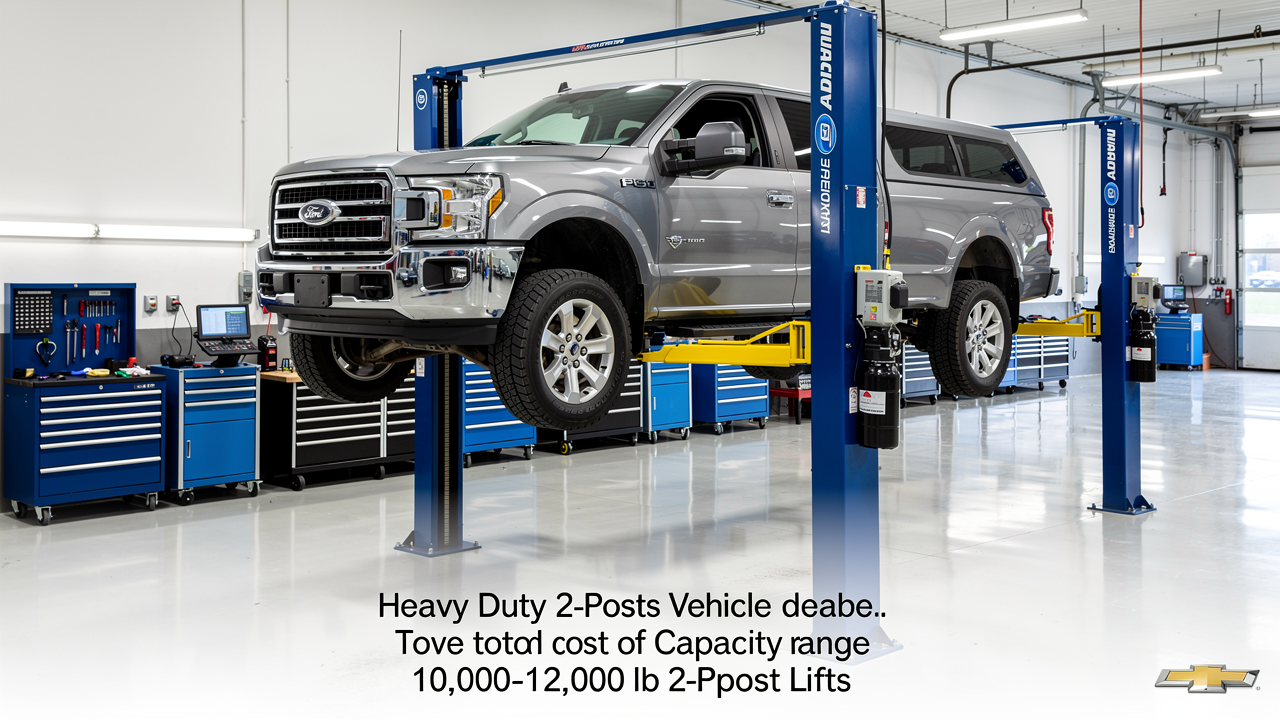
Heavy-duty vehicles require the extra capacity of a 9000 lb two-post lift. Full-size pickup trucks like Ford F-150s and Chevy Silverados often weigh 5,000-6,500 lbs. Large SUVs such as Tahoes and Expeditions can reach 6,000-7,000 lbs.
Luxury sedans also benefit from higher weight capacity. BMW 7-Series, Mercedes S-Class, and Cadillac CT6 models weigh 4,500-5,500 lbs. The extra capacity provides a safety buffer during lifting operations.
Commercial mechanics prefer 9000 lb lifts for versatility. They handle everything from compact cars to heavy trucks without worrying about weight limits.
When Is a 6000 lb Car Lift Sufficient?
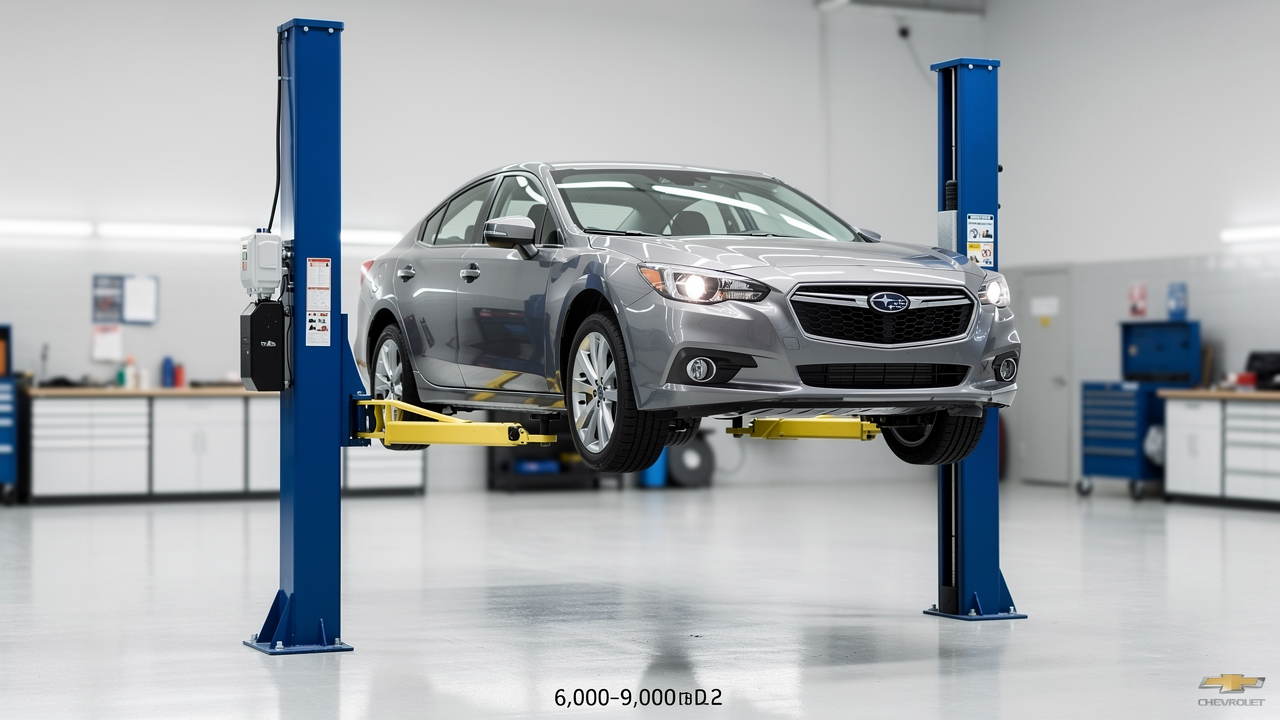
Most passenger cars work perfectly with 6000 lb capacity lifts. Sedans like Honda Accord, Toyota Camry, and Ford Fusion typically weigh 3,200-3,800 lbs. Compact SUVs such as Honda CR-V and Toyota RAV4 range from 3,400-3,800 lbs.
The BendPak HS-6 6,000 lb Two-Post Lift at $1,149 handles these vehicles with room to spare. This symmetric lift provides reliable service for home garages working on standard passenger vehicles.
Sports cars also fit within 6000 lb limits. Most Corvettes, Mustangs, and Camaros weigh under 4,000 lbs. The lower capacity saves money while meeting your lifting needs.
Car Lift Weight Capacity: Safety Margins Matter
Professional mechanics recommend staying well below maximum capacity. A 6000 lb lift should handle vehicles weighing no more than 4,500-5,000 lbs. This safety margin accounts for uneven weight distribution and dynamic loading.
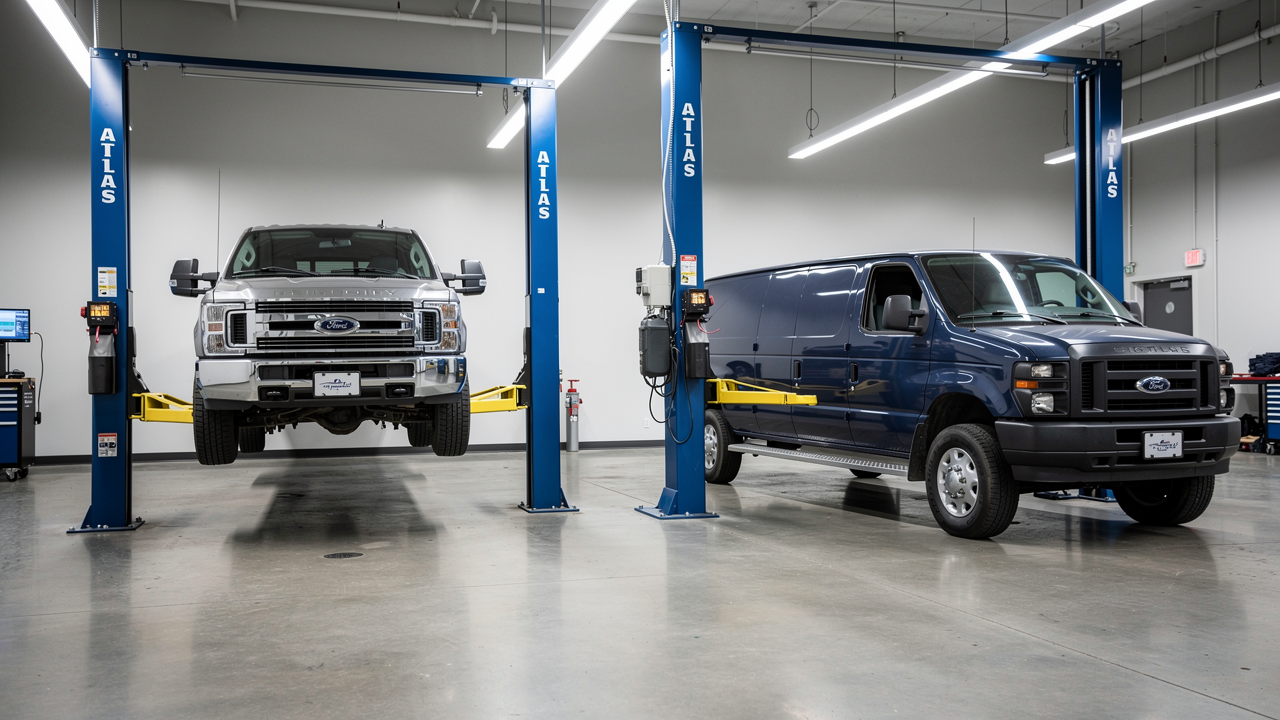
The Atlas Garage Pro 9,000 lb Symmetric 2-Post Lift at $1,799 provides peace of mind for heavier vehicles. Its robust construction handles full-size trucks and SUVs safely within rated capacity.
Weight distribution affects lifting performance. Asymmetric lifts position vehicles differently than symmetric models. The BendPak HD-9XB Extended-Base 9,000 lb Two-Post Lift at $2,349 accommodates longer vehicles while maintaining proper balance.
Price Differences Between 6000 lb and 9000 lb Lifts
The price gap between capacities isn't as large as you might expect. Basic 6000 lb lifts start around $1,149. Entry-level 9000 lb models begin near $1,799. That's roughly $650 difference for significantly more capacity.
Higher-end 9000 lb lifts with premium features cost $2,000-2,349. These include extended bases, asymmetric designs, and commercial-grade components. The investment pays off in versatility and longevity.
Budget-conscious buyers should consider future vehicle purchases. Buying a 9000 lb lift now prevents costly upgrades later if you switch to heavier vehicles.
Installation Requirements for Different Weight Capacities
Both 6000 lb and 9000 lb lifts require proper concrete foundations. Minimum concrete thickness is 4 inches for residential installations. Commercial settings may need 6-inch slabs.
Ceiling height affects usability more than weight capacity. Standard lifts need 11-12 feet of clearance. This allows lifting most vehicles to comfortable working height.
Anchor bolt specifications vary by model, not just weight capacity. Always follow manufacturer installation guidelines for safety and warranty compliance.
Two Post Lift Comparison: Symmetric vs Asymmetric
Symmetric lifts center vehicles between posts. This design works well for most cars and light trucks. Weight distributes evenly across all four lift points.
Asymmetric lifts position vehicles closer to one post. This allows better door clearance for easier entry and exit. Longer vehicles fit better with asymmetric positioning.
The Rotary SPOA9 9,000 lb Overhead 2-Post Lift offers symmetric lifting with overhead design. This model maximizes floor space while providing full 9000 lb capacity.
Common Mistakes When Choosing Lift Capacity
Underestimating vehicle weight causes safety issues. Always check your vehicle's actual curb weight, not just manufacturer estimates. Aftermarket modifications add significant weight.
Ignoring future needs leads to costly upgrades. Consider what vehicles you might own in 5-10 years. The modest price difference often justifies buying higher capacity initially.
Overlooking weight distribution creates lifting problems. Front-heavy vehicles need careful positioning regardless of total capacity. Proper arm placement ensures safe, stable lifting.
Frequently Asked Questions
Q: Can a 6000 lb lift handle a Ford F-150?A: Most F-150 models weigh 4,500-6,500 lbs depending on configuration. Regular cab short bed versions might work, but crew cab models exceed 6000 lb capacity safely.
Q: What's the actual weight difference between 6000 lb and 9000 lb lifts?A: The lifts themselves have similar weights. A 6000 lb lift weighs about 1,200-1,500 lbs. A 9000 lb lift weighs 1,400-1,800 lbs. The capacity rating refers to lifting ability, not lift weight.
Q: Do 9000 lb lifts cost more to operate?A: No significant difference in operating costs exists. Both use similar hydraulic systems and power requirements. Maintenance costs remain comparable between capacities.
Q: Can I upgrade a 6000 lb lift to 9000 lb capacity?A: No, you cannot safely upgrade lift capacity. The structural components, hydraulic systems, and safety mechanisms are designed for specific weight limits. Upgrading requires purchasing a new lift.
Explore Our 6,000-9,000 lb 2-Post Car Lifts Collection
Browse our complete selection of professional-grade car lifts designed for home and commercial use. We offer free shipping on all lifts and hassle-free returns within 30 days. Shop 6,000-9,000 lb 2-Post Car Lifts