Professional Auto Shop Car Lifts: Maximizing Efficiency and ROI
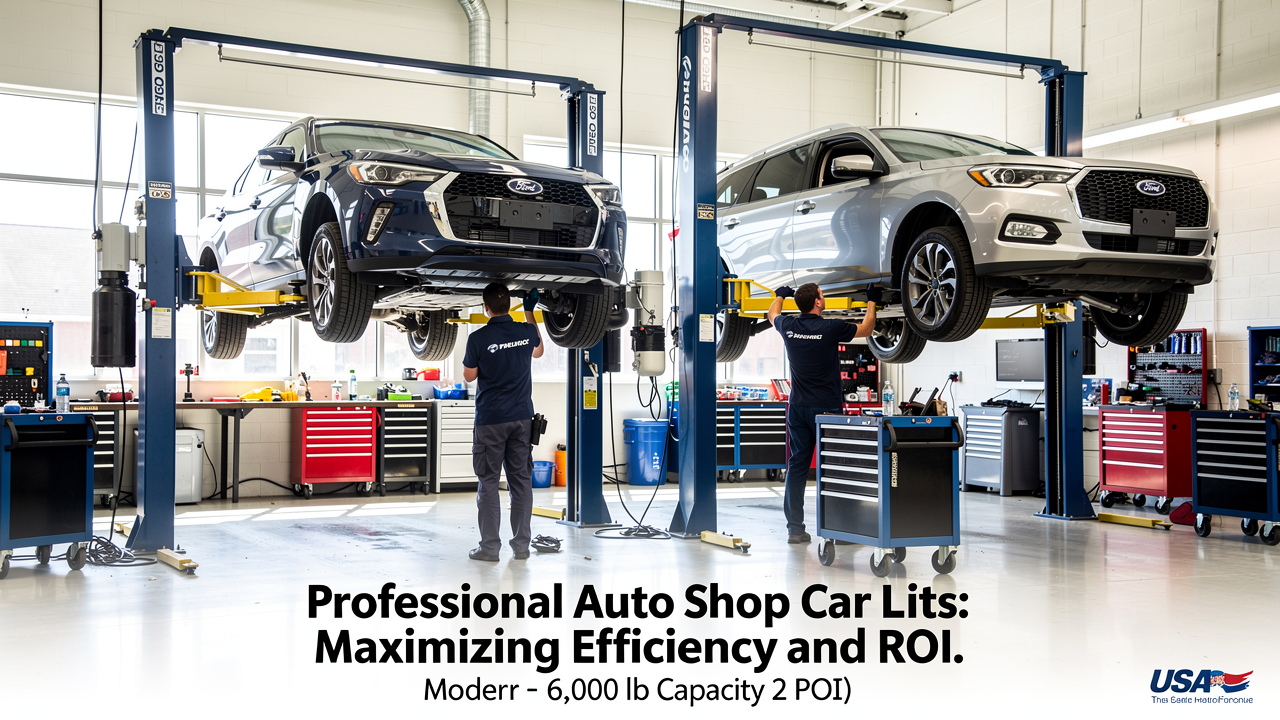
Professional auto shop car lifts are essential equipment that can increase productivity by up to 40% while reducing labor costs. The right lift selection directly impacts your shop's efficiency, throughput, and bottom line. Investing in quality commercial car lifts pays for itself through faster service times and improved technician safety.
Why Commercial Car Lifts Drive Higher Shop Revenue
Professional shops need reliable equipment that handles heavy workloads daily. Commercial car lifts allow technicians to work at comfortable heights, reducing fatigue and injury risk. This means faster repairs and more vehicles serviced per day.
Quality lifts also expand your service capabilities. You can handle larger vehicles, perform undercarriage work efficiently, and take on jobs that competitors without proper equipment cannot. This versatility attracts more customers and higher-paying commercial accounts.
Calculating Auto Shop Equipment ROI on Lift Investments
The return on investment for professional-grade lifts becomes clear when you examine the numbers. A busy shop can service 2-3 additional vehicles daily with proper lift equipment. At an average ticket of $150, that's $300-450 in extra revenue per day.
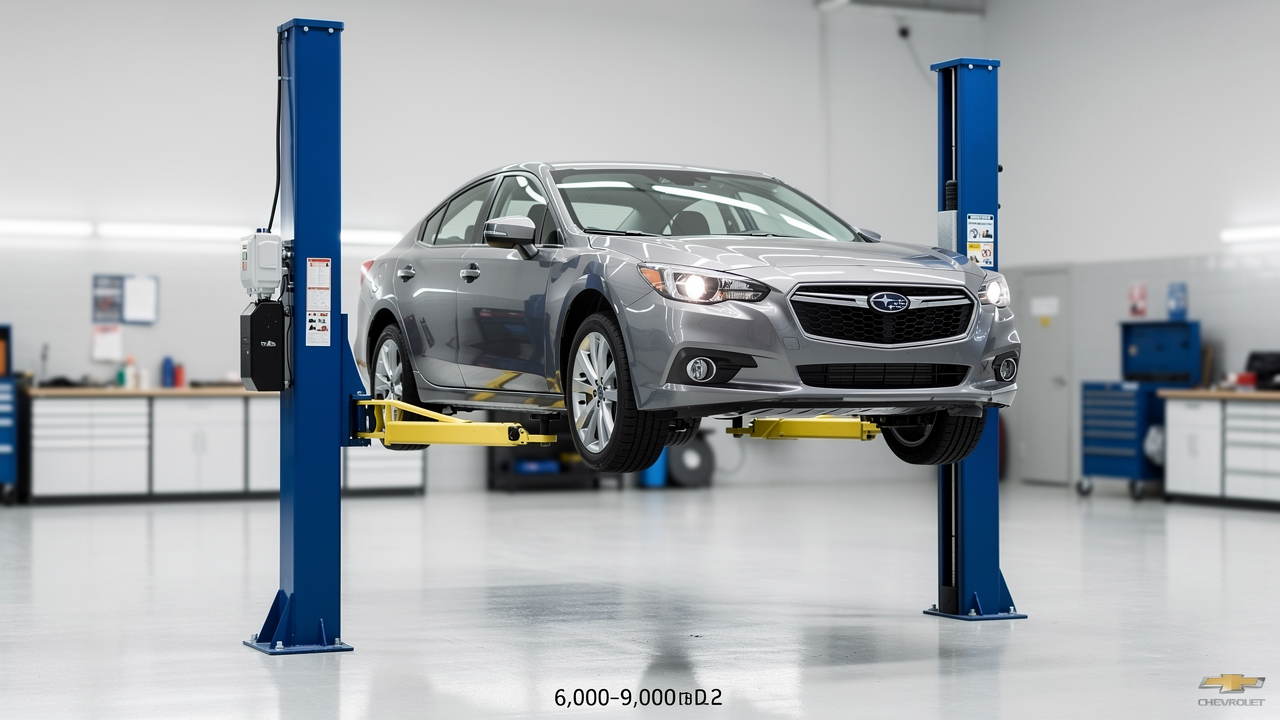
The Atlas Garage Pro 9,000 lb Symmetric 2-Post Lift at $2,149 pays for itself in under two months with just two extra cars serviced daily. This lift handles everything from compact cars to light trucks, making it ideal for general repair shops.
High-capacity lifts also reduce comeback rates. When technicians can properly access all components, repairs are done right the first time. This saves warranty work costs and builds customer trust.
Choosing the Right Dealership Service Lifts for Maximum Throughput
Dealership service departments have unique needs. High volume, consistent vehicle types, and warranty work requirements demand specific lift configurations. Asymmetric lifts often work better for door clearance on modern vehicles.
The BendPak HD-9XB Extended-Base 9,000 lb Two-Post Lift at $2,349 offers the stability needed for heavy-duty dealership work. Its extended wheelbase accommodates longer vehicles while maintaining safety margins.
For shops handling mixed vehicle types, symmetric lifts provide more flexibility. The Challenger CL-9 9,000 lb Two-Post Lift at $1,849 offers professional-grade construction at a competitive price point.
Common Mistakes When Selecting Professional Auto Shop Equipment
Many shop owners underestimate their lift capacity needs. A 6,000 lb lift seems adequate until you need to service a loaded pickup truck. Always choose lifts rated for your heaviest anticipated vehicles plus a safety margin.
Installation shortcuts cost money long-term. Professional installation ensures proper foundation work, electrical connections, and safety systems. Poor installation leads to premature wear and potential liability issues.
Ignoring ceiling height requirements is another costly error. Two-post lifts need adequate overhead clearance for arms and vehicles. Measure twice before purchasing to avoid expensive modifications or equipment returns.
Don't sacrifice quality for initial savings. Cheap lifts require more maintenance, have shorter lifespans, and may not meet safety standards. Quality brands like BendPak, Atlas, and Rotary offer better long-term value.
Consider your shop's workflow when positioning lifts. Strategic placement reduces vehicle movement time and improves technician efficiency.
Frequently Asked Questions
Q: What's the average price range for professional auto shop car lifts? A: Professional-grade two-post lifts typically range from $1,149 to $2,349 for 6,000-9,000 lb capacity models. Installation costs add another $500-1,000 depending on site requirements. Q: How much weight capacity do I need for my auto shop? A: Most professional shops benefit from 9,000 lb capacity lifts. This handles most passenger vehicles, light trucks, and SUVs with safety margin. Smaller shops focusing on compact cars can use 6,000 lb models. Q: What's the difference between symmetric and asymmetric car lifts? A: Symmetric lifts center the vehicle between posts, ideal for trucks and older cars. Asymmetric lifts position the vehicle forward, providing better door clearance for modern cars and SUVs. Q: How long do professional car lifts typically last? A: Quality professional lifts last 15-20 years with proper maintenance. Regular inspections, lubrication, and cable replacements ensure safe operation and maximum lifespan.Explore Our 6,000-9,000 lb 2-Post Car Lifts Collection
Browse our complete selection of professional-grade two-post lifts designed for commercial auto shops and dealerships. Every lift includes professional installation support and comprehensive warranty coverage. Shop our 6,000-9,000 lb collection today for fast shipping and expert technical support.