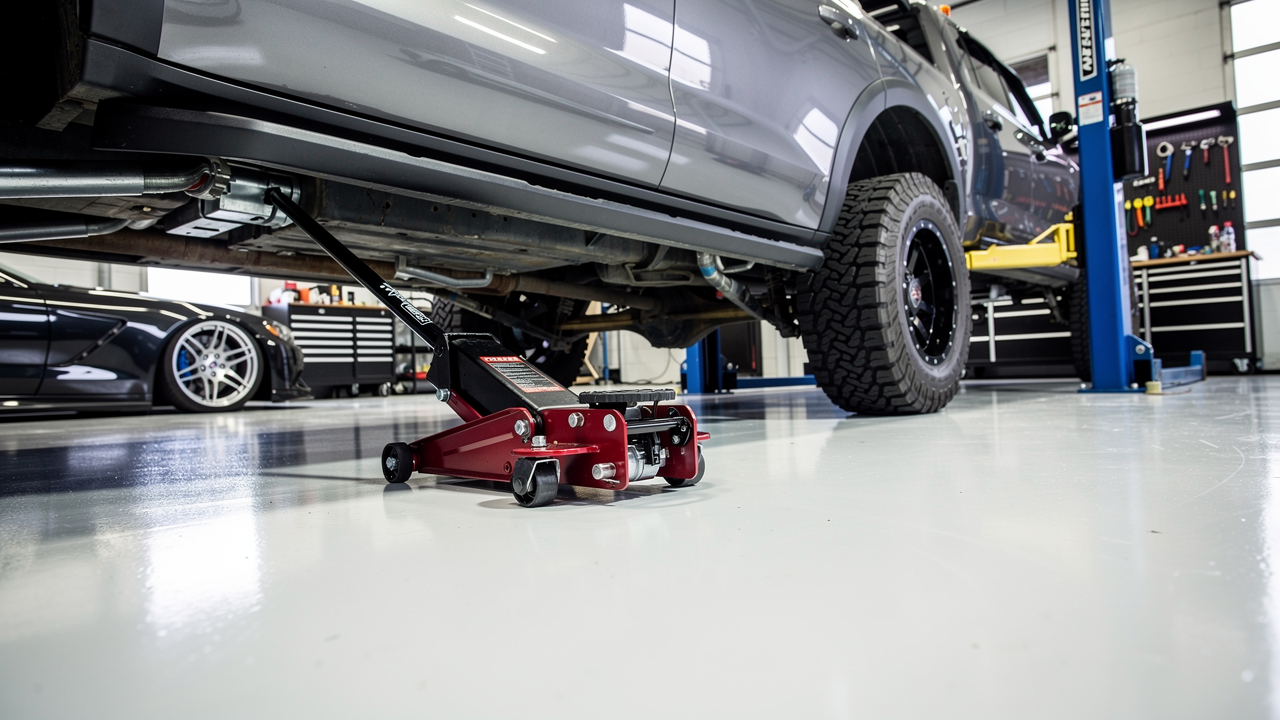
Why You Need a Low-Profile Floor Jack for Lifted Cars
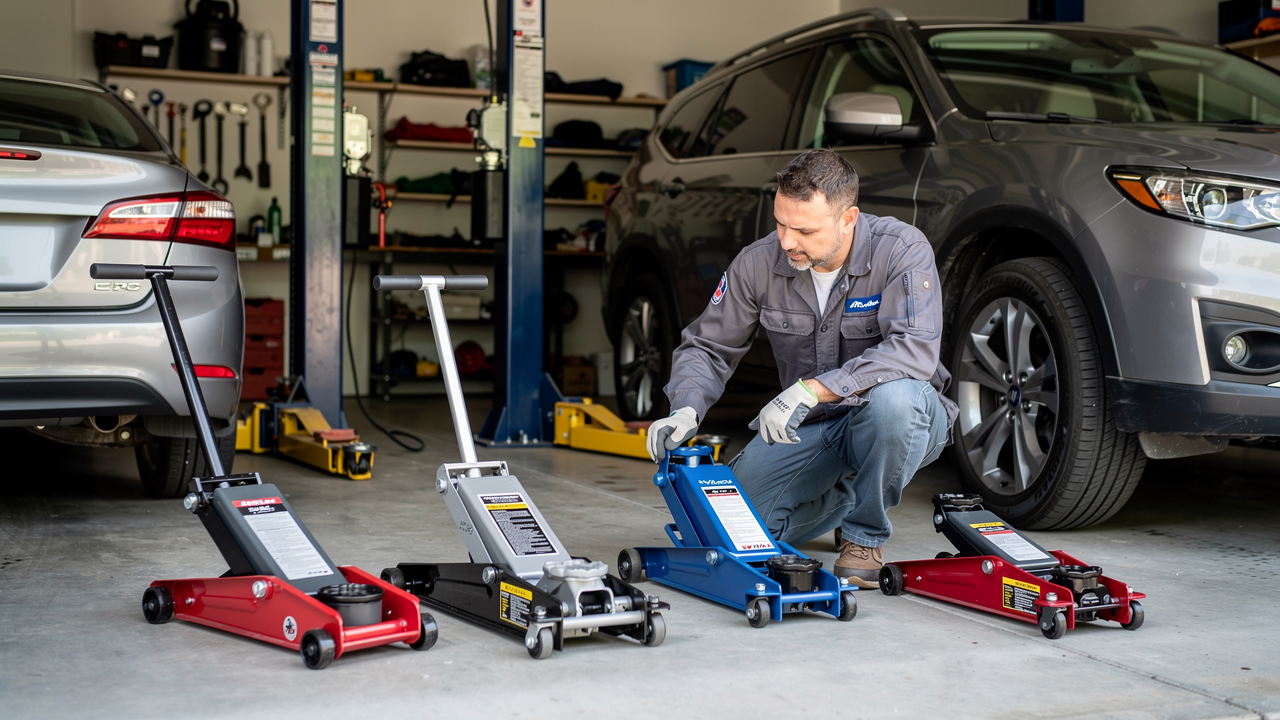
Working under lifted vehicles creates unique challenges that standard floor jacks simply can't handle. A low profile floor jack solves the clearance problem by sliding under cars with minimal ground clearance while still providing the lifting power you need for maintenance and repairs.
What Makes Low-Profile Floor Jacks Different from Regular Jacks
Regular floor jacks have lifting pads that sit 6-8 inches off the ground. This height works fine for stock vehicles with standard ground clearance. But lifted cars often have lowered suspension components, body kits, or aerodynamic modifications that reduce the space between the chassis and ground.
Low-profile floor jacks feature lifting pads that start as low as 2.5-3 inches from the ground. This low starting height lets you position the jack under tight spaces where conventional jacks won't fit. The extended reach means you can access factory jack points even when working with modified vehicles.
The hydraulic systems in these jacks are redesigned to provide maximum lift range despite the lower starting position. You get the same lifting capacity as standard jacks but with better access to hard-to-reach areas.
Why 3-Ton Capacity Matters for Vehicle Safety
Most passenger cars weigh between 3,000-4,500 pounds. When you lift one corner of the vehicle, you're typically supporting 25-30% of the total weight. A 3-ton floor jack provides a comfortable safety margin for this load.
Using an undersized jack creates serious safety risks. The hydraulic system can fail under excessive load, causing the vehicle to drop unexpectedly. This puts you and your equipment in danger.
Our Low-Profile 3-Ton Floor Jack for Lifted Vehicles ($189) combines the low-profile design with professional-grade lifting capacity. The reinforced steel construction handles heavy loads while the compact profile fits under modified vehicles that other jacks can't reach.
Essential Accessories That Work with Your Floor Jack Setup
Floor jacks work best when paired with quality support equipment. Jack stands provide the stable support you need for extended work periods. Never rely on a hydraulic jack alone to hold a vehicle - always use proper stands once you've lifted the car.
Protective padding prevents damage to your vehicle's undercarriage during lifting. Our Rubber Arm Pad Set for 2-Post Car Lift (Set of 4) ($45) fits most jack contact points and prevents scratching or denting of sensitive components. These pads distribute the lifting force across a wider area, reducing pressure points on the vehicle frame.
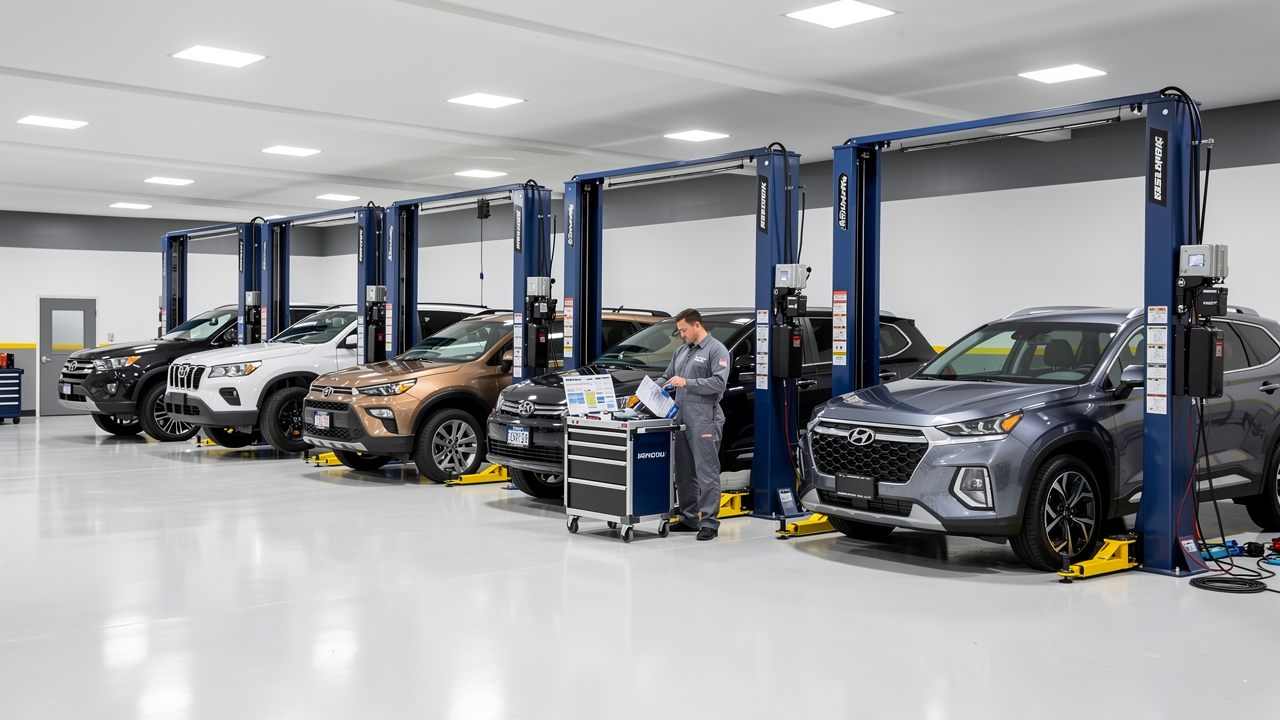
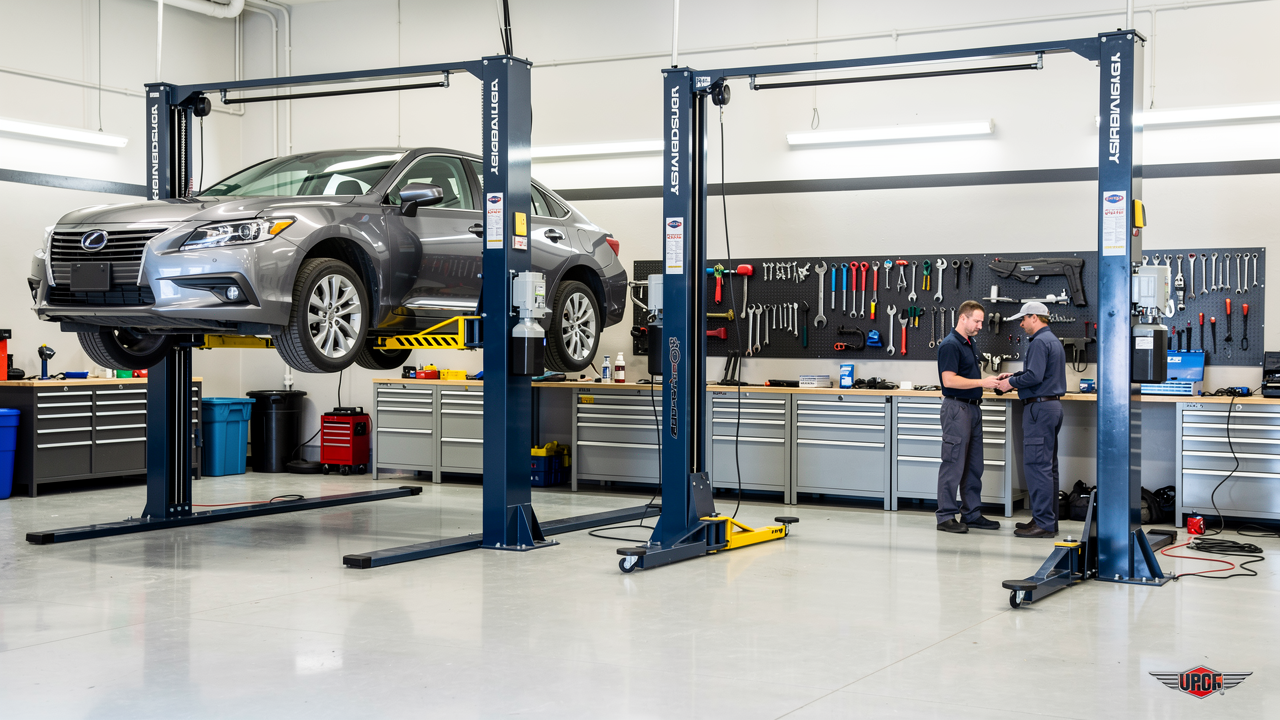
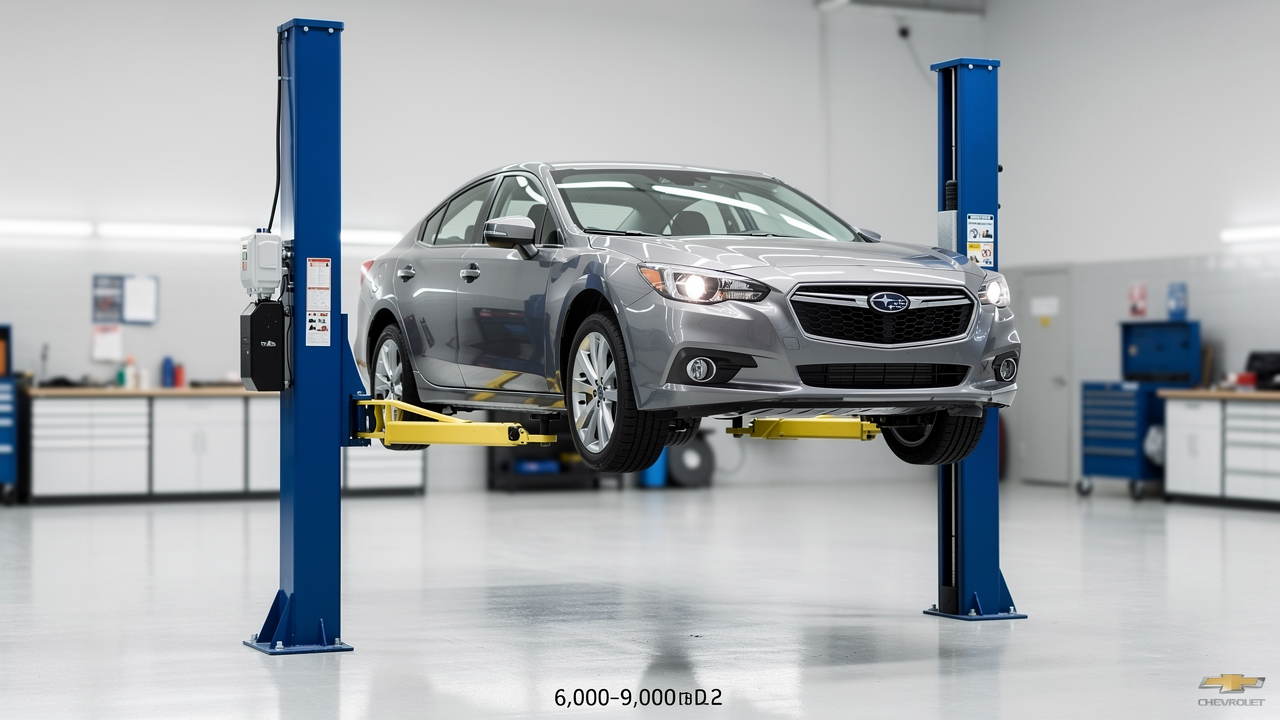
When working in professional shops, proper installation of your lifting equipment matters too. The 2-Post Car Lift Anchor Bolt Installation Kit ($35) ensures your permanent lifting equipment meets safety standards and provides a solid foundation for heavy-duty work.
Common Mistakes When Using Low-Profile Jacks
Never position the jack on unstable or sloped surfaces. The low profile design means the jack has a lower center of gravity, but uneven ground still creates tipping hazards. Always work on level, solid surfaces like concrete floors.
Check the jack's condition before each use. Low-profile jacks work harder than standard models because of their extended reach. Inspect hydraulic seals, release valves, and structural components for signs of wear or damage.
Don't exceed the rated capacity even if the jack seems to handle the load. The safety margin built into the rating accounts for dynamic loads and wear over time. Overloading leads to premature failure and safety risks.
Position the jack pad on designated lifting points only. Vehicle manufacturers specify safe lifting locations that can handle concentrated loads. Lifting from other areas can damage body panels, suspension components, or safety systems.
Frequently Asked Questions
Q: What's the lowest profile floor jack available?A: Ultra low-profile jacks start as low as 2.5 inches from the ground. These specialized models are designed for severely lowered vehicles and race cars with minimal ground clearance.
Q: Can I use a low-profile jack on regular height vehicles?A: Yes, low-profile jacks work perfectly on stock-height vehicles. The lower starting position actually makes it easier to position the jack under most cars, and the lifting capacity remains the same.
Q: How much weight can a 3-ton floor jack actually lift?A: A 3-ton jack can lift 6,000 pounds safely. This capacity provides adequate safety margin for lifting one corner of most passenger vehicles, trucks, and SUVs.
Q: Do low-profile jacks lift as high as regular jacks?A: Most low-profile jacks have similar maximum lift heights to standard models. The hydraulic cylinder design compensates for the lower starting position to maintain full lifting range.
Explore Our 2-Post Lift Accessories & Parts Collection
Find professional-grade lifting equipment and accessories designed for serious automotive work. Our complete selection includes everything from floor jacks to installation hardware, all backed by our satisfaction guarantee and fast shipping across the USA.