5 Signs Your Car Lift Rubber Arm Pads Need Replacement
Your car lift rubber arm pads need replacement when you see visible cracking, excessive wear, or hardening of the rubber material. These safety-critical components protect both your vehicle and lift from damage during operation. Recognizing these warning signs early prevents costly accidents and equipment failure.
Rubber arm pads take a beating every time you lift a vehicle. They compress under thousands of pounds of weight while protecting your car's frame and pinch welds. Over time, this constant stress breaks down the rubber compounds, reducing their effectiveness and creating safety hazards.
What Causes Car Lift Arm Pad Deterioration?
Heat, oil, and UV exposure break down rubber compounds in lift arm pads. Each lift cycle compresses and releases the pads, creating micro-tears in the material. Temperature changes cause the rubber to expand and contract, accelerating wear patterns.
Chemical exposure from automotive fluids speeds up deterioration. Oil, coolant, and brake fluid contain compounds that attack rubber materials. Even small spills on your lift arms eventually seep into the pad material, causing swelling and cracking.
Age alone degrades rubber quality. Most manufacturers recommend replacing lift arm pads every 3-5 years, regardless of visual appearance. The rubber hardens over time, losing its ability to grip and cushion properly.
Sign 1: Visible Cracks or Splits in the Rubber
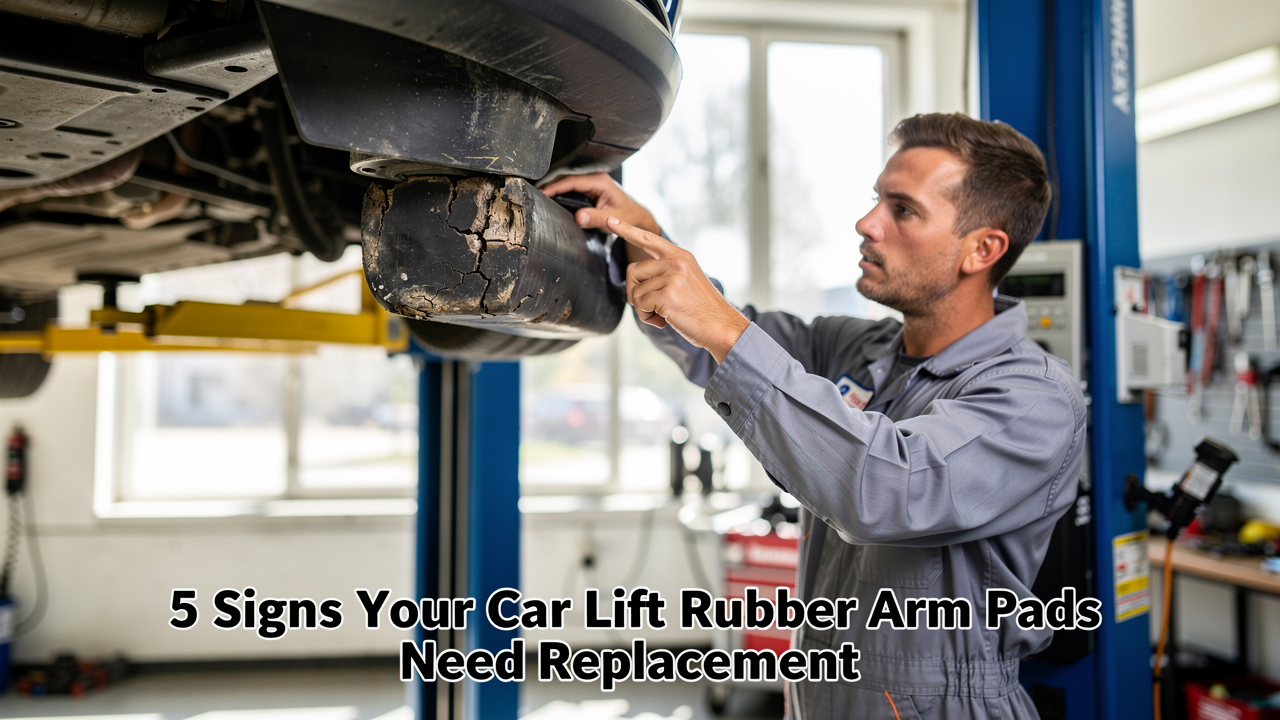
Deep cracks that penetrate the rubber surface indicate immediate replacement needs. Surface hairline cracks may seem minor but they allow moisture and chemicals to penetrate deeper into the material.
Check the edges and corners of each pad carefully. These areas experience the highest stress and typically crack first. Any crack longer than one inch or deeper than 2-3mm requires immediate attention.
Split pads create sharp edges that can damage vehicle paint and undercoating. They also reduce the contact surface area, concentrating lift forces on smaller sections of your vehicle's frame.
Sign 2: Excessive Wear or Missing Chunks
Worn pads with gouges, tears, or missing pieces cannot distribute weight evenly. You'll notice flat spots where the rubber has compressed permanently or rough areas where chunks have broken away.
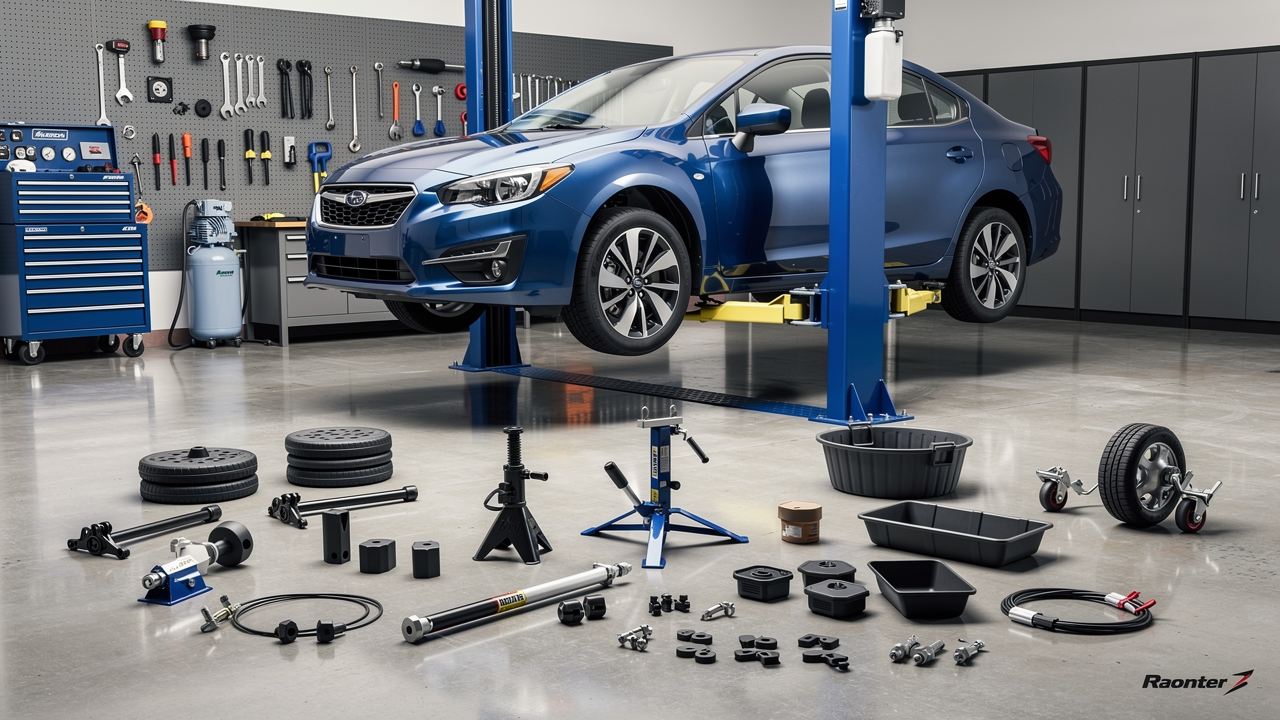
Our Rubber Arm Pad Set for 2-Post Car Lift (Set of 4) at $89 provides complete replacement coverage for standard 2-post lifts. These pads feature durable compound formulation designed to resist oil and heat damage.
Missing rubber chunks create pressure points that can dent or crack vehicle frames. Even small missing pieces change how the pad contacts your car, potentially causing scratches or structural damage during lifting.
Sign 3: Hardened or Brittle Rubber Material
Press your thumb into each arm pad with firm pressure. Fresh rubber should indent slightly and spring back quickly. Hard, brittle pads feel like plastic and show little to no compression under pressure.
Hardened pads lose their grip properties, allowing vehicles to slip during lifting or lowering. This creates dangerous situations where cars can fall or shift unexpectedly. The rubber also becomes more prone to cracking and breaking under load.
Temperature changes make brittle rubber even more dangerous. Cold weather can cause hardened pads to crack suddenly under vehicle weight, while heat makes them more likely to tear or split.
Sign 4: Oil Contamination and Swelling
Swollen pads that appear puffy or enlarged beyond normal size indicate chemical contamination. Oil-soaked rubber becomes soft and squishy, losing its structural integrity and load-bearing capacity.
Contaminated pads often feel greasy or sticky to the touch. They may leave residue on your hands or show dark staining throughout the rubber material. This contamination continues breaking down the rubber even after cleaning.
Regular 2-post lift maintenance includes checking hydraulic connections and seals to prevent oil leaks. If you're experiencing frequent contamination, consider upgrading with our 220V Single-Phase Motor Upgrade Kit for 2-Post Lifts at $229 for improved reliability.
Sign 5: Poor Vehicle Grip and Slipping
Fresh arm pads provide positive grip that holds vehicles securely during lifting. Worn pads allow cars to slide or shift position, creating alignment problems and safety risks.
You might notice vehicles settling into different positions after lifting compared to their starting point. This movement indicates the pads cannot maintain proper friction against the vehicle's frame or designated lift points.
Slipping also occurs when pad surfaces become glazed or polished smooth from repeated use. The rubber loses its texture and gripping properties, even if it appears visually intact.
How to Inspect Your Lift Arm Pads Safely
Start your lift safety inspection with the lift in the down position and power disconnected. Remove any tools or debris from the lift arms before beginning your examination.
Check each pad systematically using this process:
- Visual inspection for cracks, tears, and missing pieces
- Feel test for hardness, swelling, and contamination
- Measurement check for excessive wear or compression
- Grip test by pressing firmly and checking spring-back
Document any issues you find with photos and measurements. This creates a maintenance record and helps track deterioration patterns over time. Replace pads in complete sets rather than individually to ensure even performance.
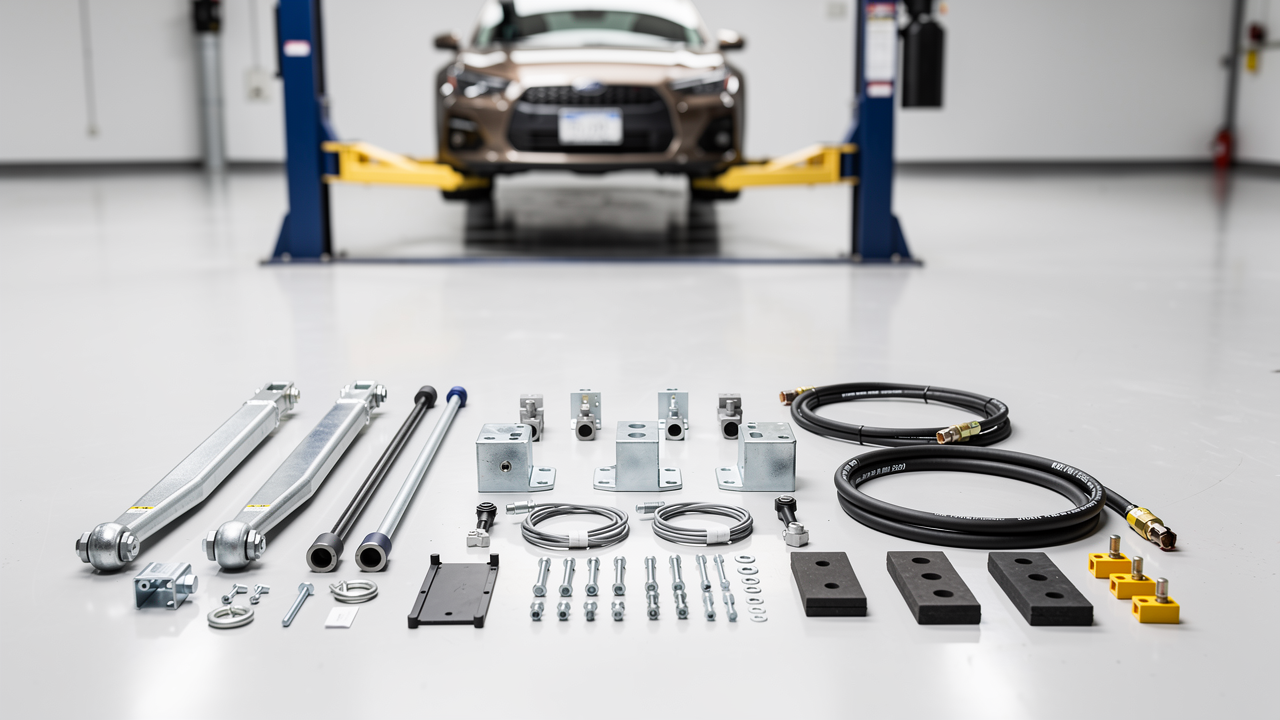
Consider keeping spare pads in your shop inventory. Our complete 2-Post Lift Accessories & Parts collection includes everything needed for proper maintenance and emergency repairs.
Frequently Asked Questions
Q: How often should I replace car lift rubber arm pads? A: Replace rubber arm pads every 3-5 years or when you notice cracking, hardening, excessive wear, or contamination. High-use lifts may need replacement more frequently. Q: Can I replace just one damaged arm pad instead of all four? A: No, always replace arm pads as a complete set. Mismatched pad heights and grip characteristics create uneven lifting forces that can damage vehicles or cause safety issues. Q: What's the difference between universal and OEM replacement arm pads? A: Universal pads fit multiple lift brands but may not match exact specifications. OEM or high-quality aftermarket pads designed for your specific lift model provide better fit and performance. Q: How do I prevent premature arm pad wear? A: Keep pads clean and dry, avoid chemical contamination, use proper lift points on vehicles, and perform regular inspections. Store lifts in climate-controlled environments when possible.Explore Our 2-Post Lift Accessories & Parts Collection
Don't compromise on safety with worn lift components. Our complete selection of 2-Post Lift Accessories & Parts includes premium rubber arm pads and essential maintenance items. We offer fast shipping across the USA with hassle-free returns on all products.